
🎧 How to Learn Korean Through Lyrics and Music - my favorite song

✅ Updated · Expert analysis for advanced learners and K-drama fans.
🎧 Learn Korean Through Lyrics — “걱정 말아요 그대” (Reply 1988 OST)
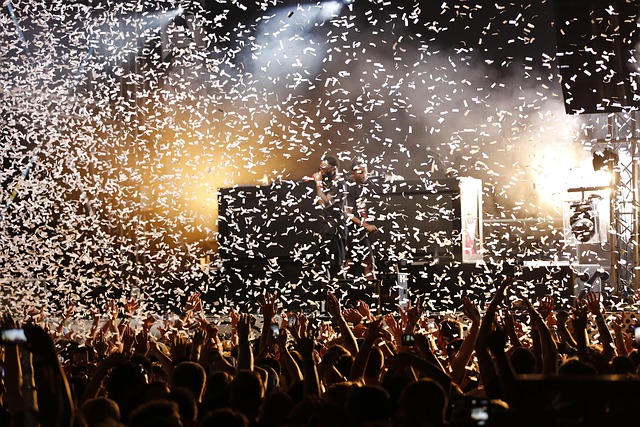
Want to feel the heart of the Korean language?
Lee Juck's “Don’t Worry, My Dear” (걱정 말아요 그대) is more than a song; it is a cultural hug for the entire nation. Popularized as the emotional pillar of the drama Reply 1988, this song bridges the gap between generations through its message of shared pain and hope. In this lesson, we dive deep into its linguistic nuances and explore the ancient "Pungnyu" spirit that makes Koreans love Noraebangs so much.
🎬 1. The "Reply 1988" Nostalgia
The drama "Reply 1988" (응답하라 1988) portrays the warm, family-like bonds of a neighborhood in Ssangmun-dong during the late 80s. Lee Juck's remake of this ballad perfectly captured the essence of "Jeong" (attachment/love) that the series celebrated. For advanced learners, this song is a gateway to understanding collective resilience—the Korean ability to overcome hardship by "singing together".
📘 2. Advanced Linguistic Analysis
Let's analyze the key expressions that make these lyrics so comforting and poetic.
A. The "그대" (Geu-dae) Nuance
In standard conversation, we use "너" (informal) or "당신" (formal/specific context). However, in lyrics, "그대" is used as a poetic, romantic way to address the listener. It removes the harshness of direct address and adds a layer of deep respect and affection.
B. Vocabulary Breakdown Table
| Word | Meaning | Deeper Nuance |
|---|---|---|
| 걱정 (Guk-jeong) | Worry | The heaviness of the mind |
| 후회 (Hu-hoe) | Regret | Looking back at mistakes with pain |
| 지나간 것 (Ji-na-gan-geot) | What has passed | The past that can't be changed |
| 다행이다 (Da-haeng-i-da) | What a relief | Finding peace in the present |
🎤 3. "Pungnyu" and the Modern "Kono" Culture
Why do Koreans spend so much time in singing rooms? It stems from Pungnyu (풍류)—an ancient Korean philosophy of finding harmony through music and nature.
Today, this has evolved into the "코노" (Kono - Coin Noraebang) culture. It's very common for Koreans to visit these booths alone to sing ballads like this one. It serves as a form of "singing therapy" where you can release stress without anyone judging your voice.
💡 Noraebang Survival Tip:
In a group, never cancel someone's song mid-way! But in a Kono, you are the king. Don't forget to grab the mic covers at the entrance—hygiene is the first rule of modern Pungnyu.
▶️ Watch & Practice
👩🏫 Teacher Hoon's Expert Tip
To use this song's sentiment in real life, try saying: "지나간 일은 잊어버리고, 우리 새로운 꿈을 꾸자." (Let's forget the past and dream a new dream.). It is a very natural way to encourage a friend who is going through a transition.
Enjoying the culture? For a complete roadmap on how to settle and thrive in Korea, visit our:
Ultimate Guide to Living in Korea 2026🚀 Ready to Master Noraebang Korean?
Let’s practice the lyrics of your favorite ballad or OST together. I’ll teach you the slang and the proper intonation for your next Kono session! Book a 1:1 "Korean Through Songs" session with Hoon on italki today.
Book a Lesson with Teacher HoonUpdated: December 23, 2025 | Part of the "Advanced Cultural Immersion" Series.
